How Wyke Businesses Store Smarter Than Most Homeowners
Find Out More →Walk past any of the small business units dotted around Wyke, and you'll notice something: they're not drowning in clutter the way plenty of homes are. There's a reason. Local business owners—whether they're running a trade, retail operation, or service—treat self storage like an operational tool, not a dumping ground. And the way they approach it is genuinely different from how most homeowners do. The good news? Their method works, and it's not complicated.
Why Businesses Treat Storage Like an Investment
Businesses rent self storage because it costs them money—real money—every month. That changes how you think about what goes in. There's no 'I might use this someday' mentality. Every item needs to earn its place, because every box is eating into the bottom line.
A local plumber, decorator, or electrician working out of Wyke doesn't keep their old ladders, off-season stock, or customer files in a unit just because there's space left. They stock what they actually use or need to keep for compliance. A retail owner tracks inventory in storage the same way they track it on the shop floor. They know what's there, why it's there, and when they'll need it.
The lesson for homeowners is simple: if you're paying monthly, you're incentivised to be honest about what deserves to be kept. That shift in mindset alone stops a lot of waste.
How Do Businesses Organise Their Units?
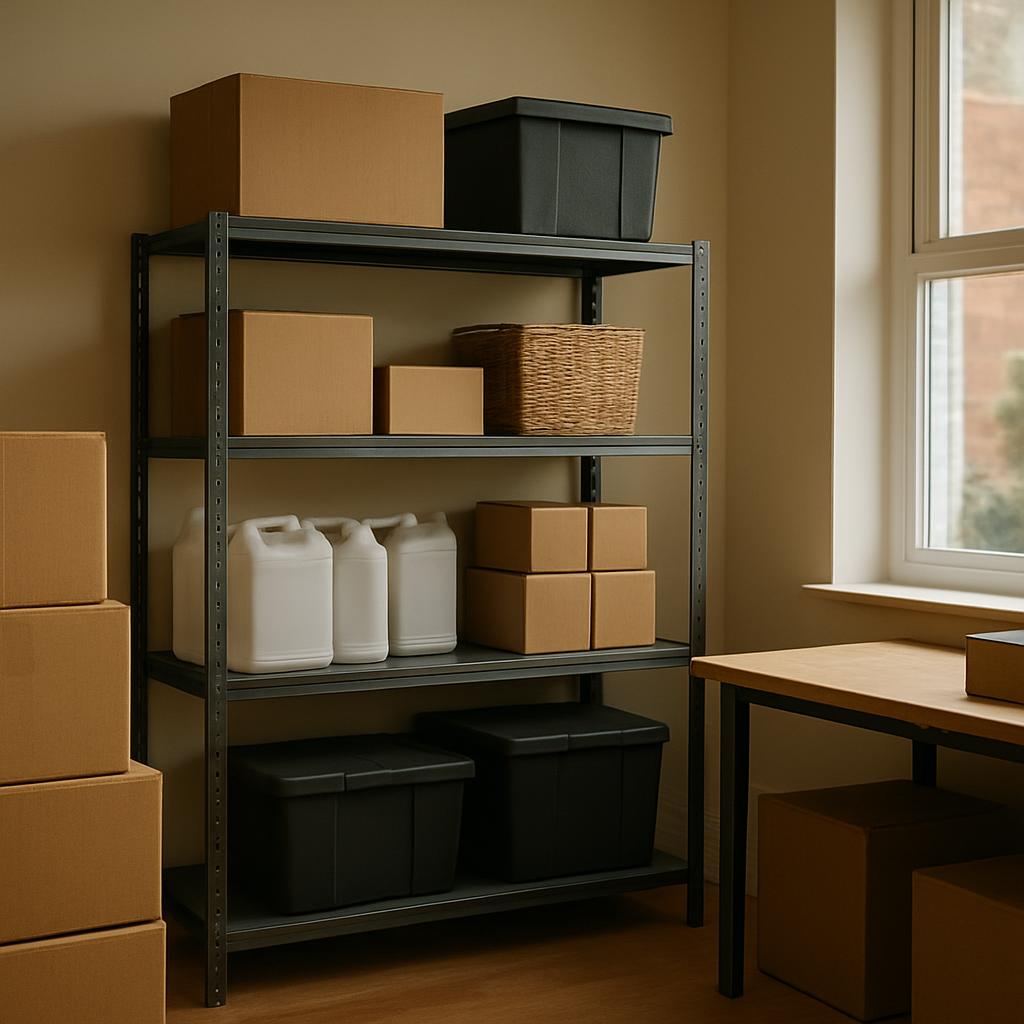
Ask any business owner in Wyke using self storage what makes their unit work, and they'll tell you the same thing: a system. Everything has a spot. Frequently used items sit near the door or at eye level. Seasonal stock is grouped together. Labels exist because nobody has time to hunt for things when they're busy running a business.
This isn't rocket science, but it's the difference between a storage unit that serves you and one that becomes a black hole. Businesses use shelving, clear boxes, and labelling—not because they're anal, but because retrieving stock quickly is part of their workflow. They can't afford to waste an hour digging through unlabelled boxes.
Homeowners often rent storage, pack it loosely, and then forget what's actually inside. You lose the benefit entirely. Adopt the same approach businesses use: label everything clearly, organise by category or frequency of use, and keep a simple inventory list (digital or paper) so you know what's there without opening every box.
What's the Right Amount of Space to Rent?
Businesses typically don't rent more space than they actually need. If they're storing seasonal stock, they rent enough for that specific volume. If they're keeping archived records, they estimate for that, not for 'future growth' that might never come.
Homeowners often do the opposite. They rent a larger unit 'just in case' and then fill it because, well, there's space. That's expensive waste. Businesses figure out how much they actually need first, then rent that size. They treat it as a fixed cost with a clear purpose, not an open-ended solution.
Before you rent a unit, measure what you're keeping. Be realistic about whether you'll actually retrieve seasonal items, whether those boxes of old paperwork need storing, or whether you're just avoiding a decision. It's worth spending five minutes being honest, because every extra cubic foot costs you money. In Wyke's market, that adds up quickly over a year.
The One Thing Homeowners Overlook
Businesses review what they're storing regularly. Every few months, a manager or owner checks in: is this still needed? Can we clear something out? Are we getting value from this space? They don't treat storage as 'set and forget'.
Most homeowners rent a unit, pack it, and come back two years later wondering what's inside. By then, a lot of it is probably redundant anyway. The cost has silently climbed without delivering real benefit. Smart storage use depends on knowing what's in there and why—and reviewing it occasionally.
Set a reminder to audit your unit twice a year. Pull out anything you haven't touched or won't actually use. This isn't just about saving money—it keeps your storage working for you instead of against you.
Get Started the Right Way
The businesses around Wyke that get the most from self storage don't treat it as overflow. They treat it as part of their operation, with the same care and organisation they'd apply to anything else. The space is deliberate, the contents are tracked, and the cost is justified.
You don't need to run a business to adopt that approach. Whether you're storing seasonal items, decluttering a home move, or managing something temporarily, the principle is the same: be intentional, stay organised, and check in on what's actually in there.
If you're ready to rent a unit in Wyke and want to do it properly, Self Storage Wyke can help you find the right size and guide you through setting up the kind of organised system that actually works. Get in touch to discuss what you need to store and how much space makes sense for your situation.
Looking for Self Storage near Wyke?
We have secure, flexible units available in the area. Get in touch with Self Storage Wyke today.
Find Out More →